
The Myth of Hanging Aids
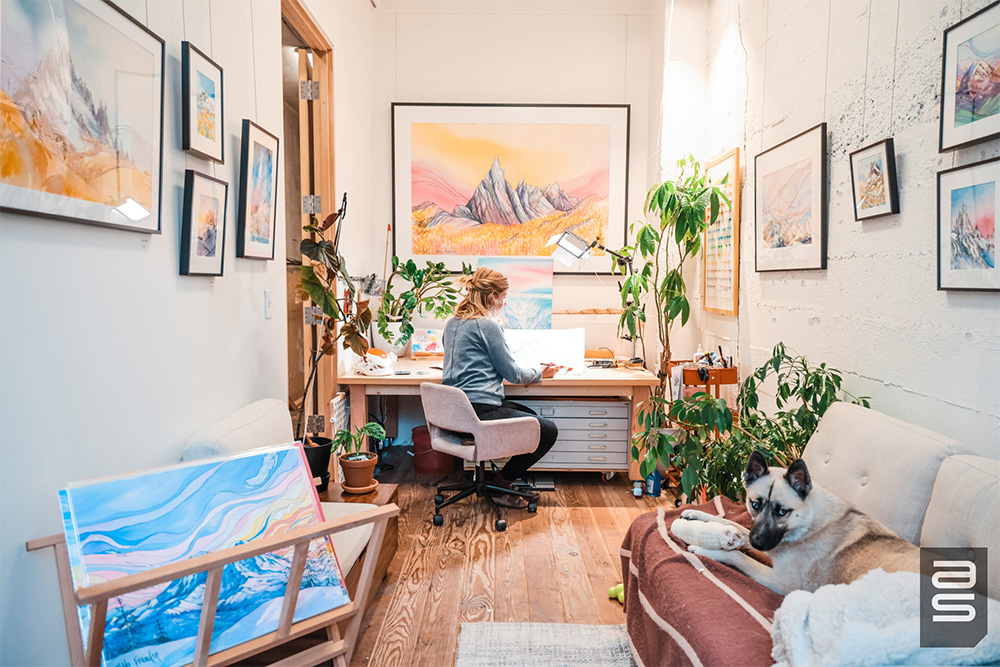
Do you need a stud finder to hang pictures, especially when the plan is a full gallery wall instead of one frame? Not if the wall is built on a track-based hanging system, and that single change reworks almost everything about how a display gets planned, adjusted, and eventually redone.
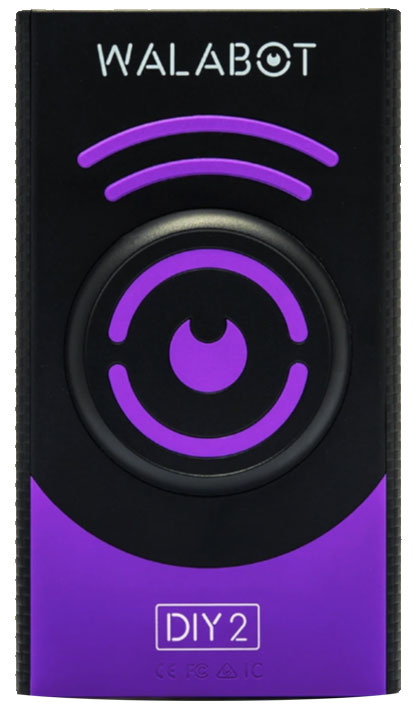
It is a question we hear often, usually paired with a related one: is there a gadget that makes this easier? Homeowners and designers search out electronic stud finders, laser levels, and even wall-imaging sensor apps that promise to reveal exactly what is hiding behind the drywall. Those tools do one job well. They help you locate a stud, or avoid a pipe, before you commit to a single hole. What they cannot do is solve the actual problem behind a gallery wall, which is that plans change and nail holes do not move.
Do You Need a Stud Finder to Hang Pictures?
The short answer is no, not once the pictures are going up on a track-based picture hanging system instead of individual nails. A stud finder solves a locating problem: where is solid backing behind this one spot on the wall. A hanging system solves a different problem entirely, which is how to hang, rearrange, add to, and eventually take down an entire wall of art without repeating that locating process for every single frame.
That distinction matters because most gallery walls are not one-and-done projects. A new piece gets added. A frame gets swapped for the season. Something looked right on paper and needs to shift two inches once it is actually on the wall. Each of those moments is where a stud finder stops being useful, no matter how accurate it was the first time.
Why Precision Tools Only Solve Half the Problem
Stud finders, laser levels, and wall-imaging apps genuinely earn their keep for fixed, one-time installations: mounting a shelf, hanging a single heavy mirror, securing a TV bracket. In those cases, you are drilling once, and precision is the whole job.

A gallery wall asks for something different. We have covered this same rearranging problem before, from other angles. Our guide to planning a gallery wall layout walks through the classic paper cutout method, and our piece on building an art wall in the salon style traces that same approach back centuries. Both run into the identical wall: however carefully you plan, a nail-based layout is still permanent the moment you drill. Precision tools make that first hole more accurate. They do nothing for the second, third, or fifteenth change you will eventually want to make.
A track-based picture hanging system trades a wall full of individual nail holes for one continuous mounting line. A track is a rail that installs high on the wall, typically at the intersection with the ceiling, and it gets secured once, into studs or the correct wall anchor, rather than once per picture.
How a Track-Based Hanging System Works
From that track hang cables, the vertical suspension lines that run down the wall surface, or rigid rods for the same job. A hook is the adjustable fitting that clips onto the cable or rod and actually holds the frame. It slides up or down to set the height, and the entire cable-and-hook combination can move left or right along the length of the track. Some installations also use a tensioner, hardware that keeps a lower cable taut against a matching track, which gives the whole display a tighter, more engineered look.
Once that track is up, locating a stud for each new picture is no longer part of the process. You are working with the track, not the wall.
There is a second hanging aid this replaces that rarely gets mentioned: the laser level. Getting a single nail perfectly level is one job. Getting fifteen frames level with each other, across a wall, using individual nails, is a much harder version of the same job, repeated fifteen times. A track solves that once, at installation, because it establishes one level reference line for the entire wall. Every hook that hangs from it starts level by default, whether you add it on day one or day two hundred.
Choosing a System for Your Gallery Wall
Which specific picture hanging system fits your project depends on the look you want and the wall you are working with.
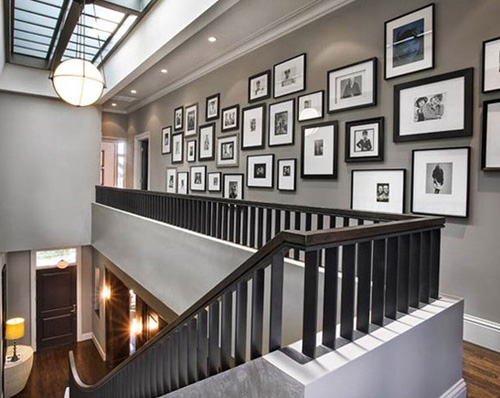
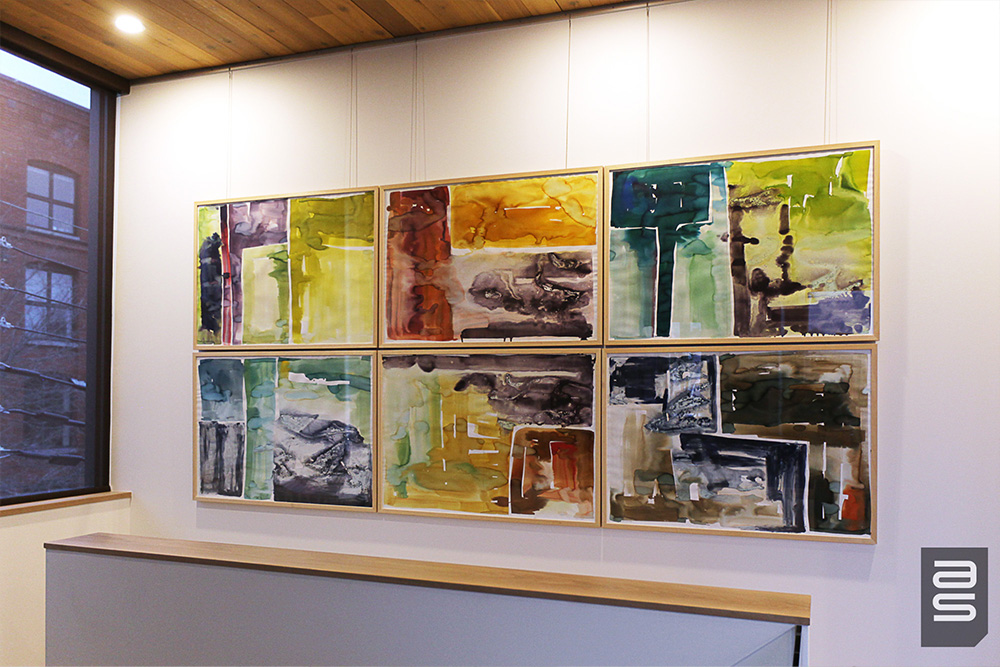
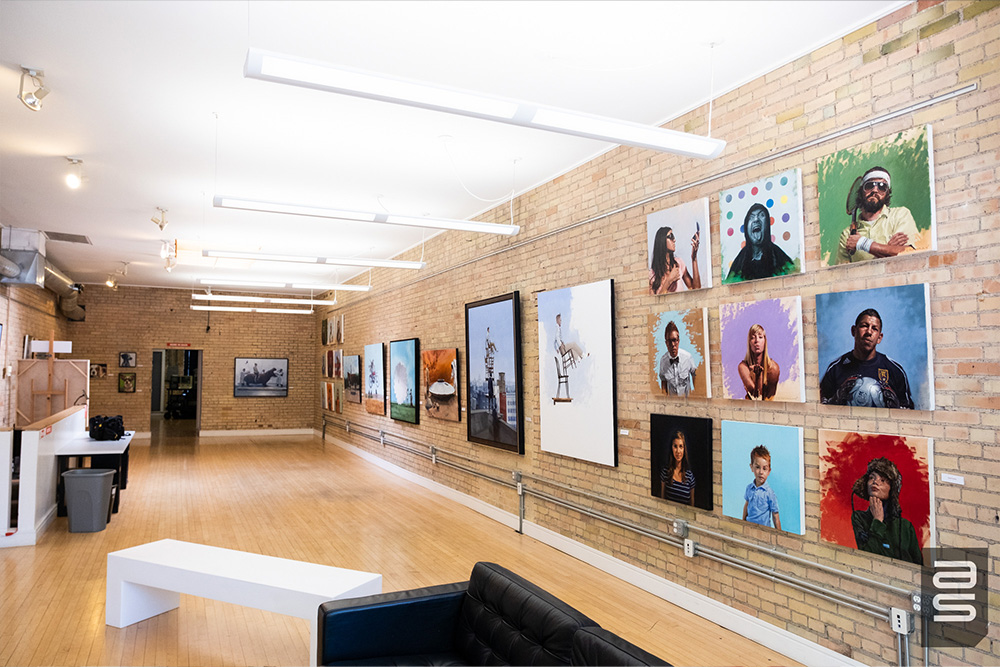
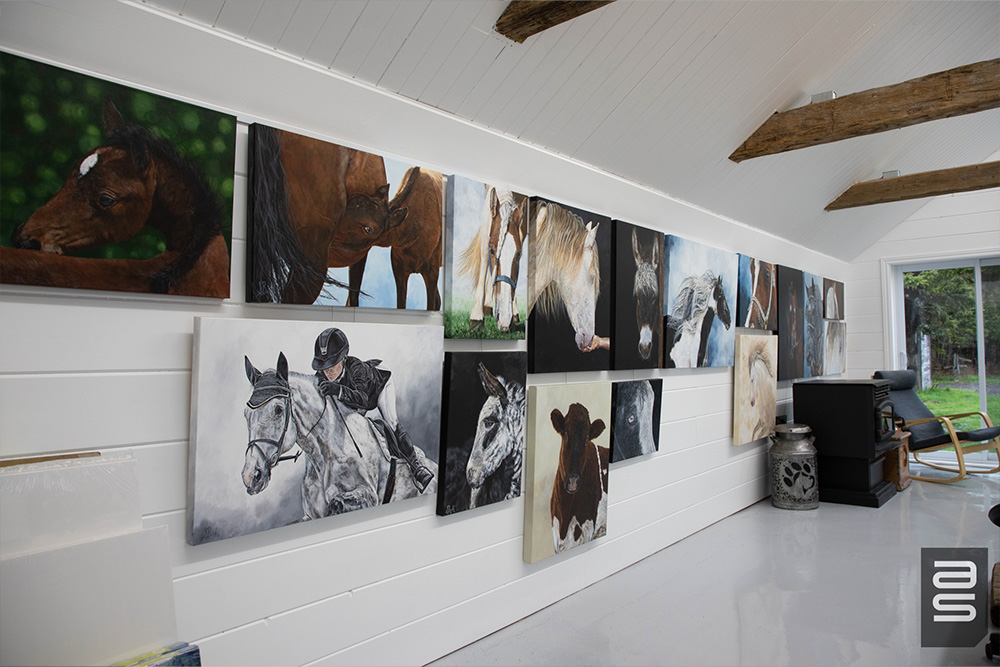
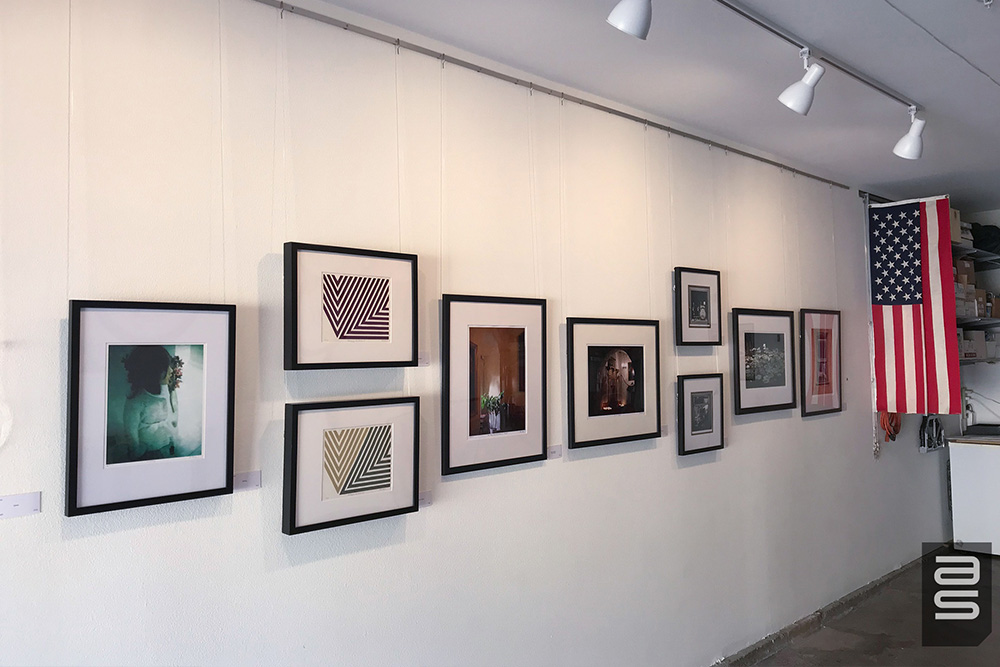
Art Gallery Wall using Classic Wall Track and P-End Cables
- Classic Wall Track is an open-face, heavy-duty track and a solid starting point for most gallery walls. It pairs with P-End Cables or matching rods.

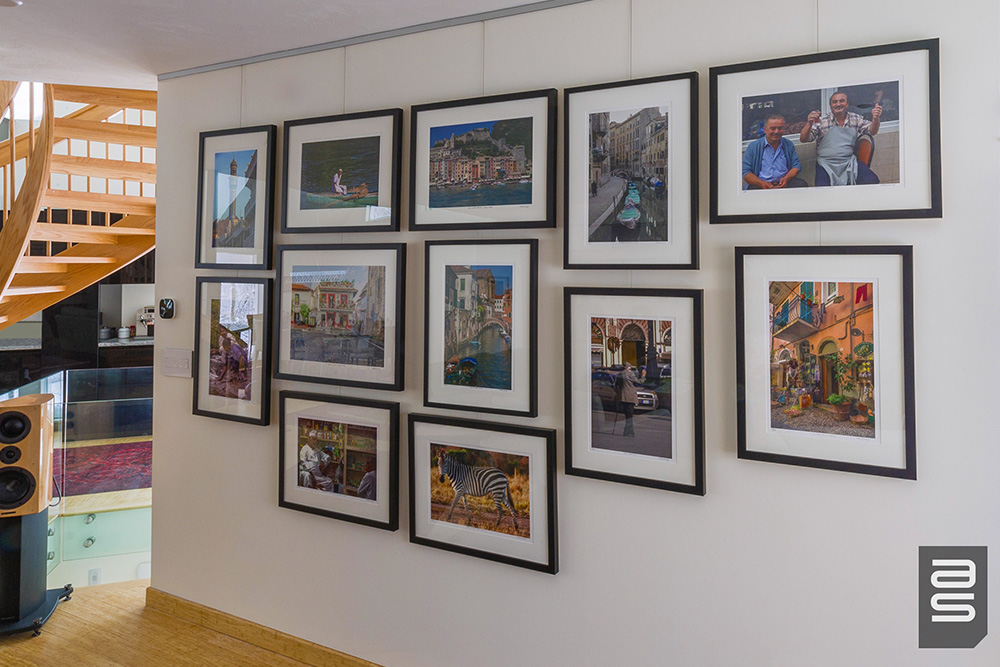
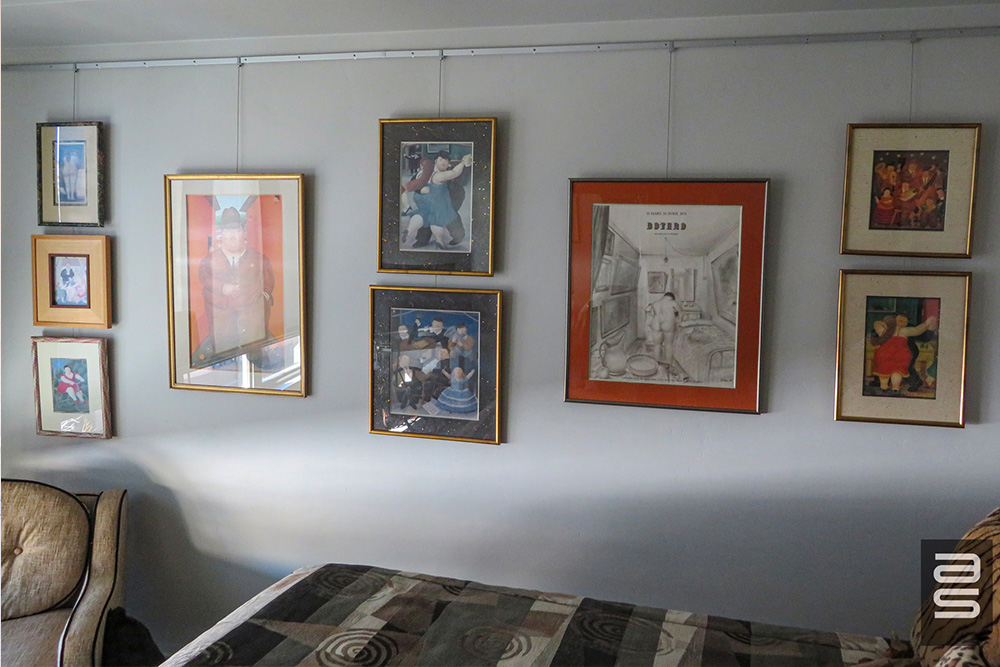
Art Gallery Wall using Click Rail Track and Twist-End Cables
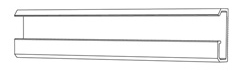
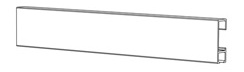
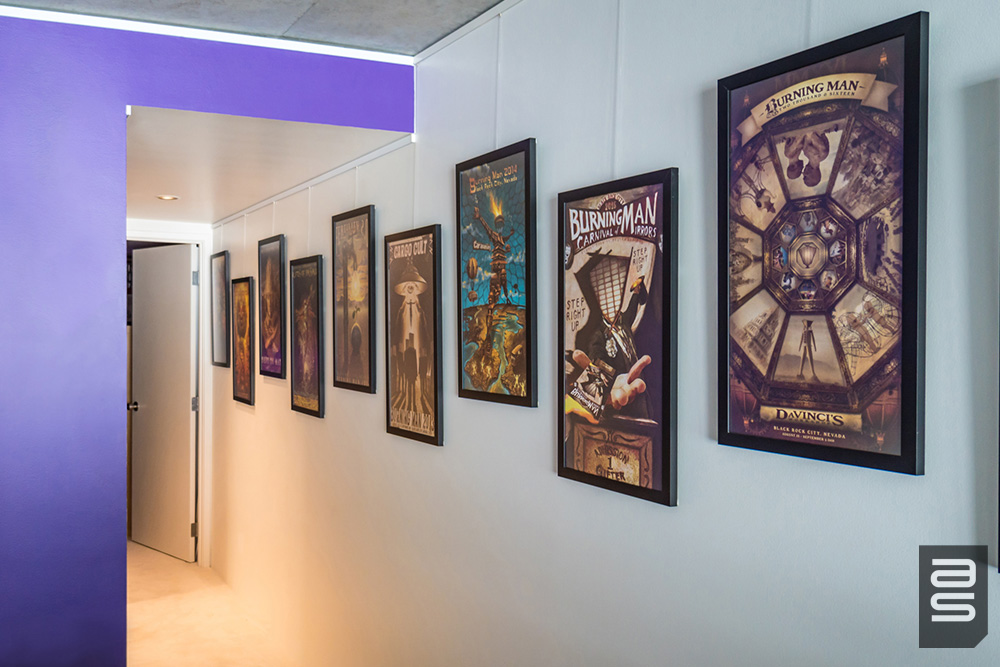
- Click Rail Track is closed-face and hides its mounting hardware from view, which makes it a good fit for highly designed spaces.
It pairs with Twist-End Cables for a nearly invisible line down the wall.
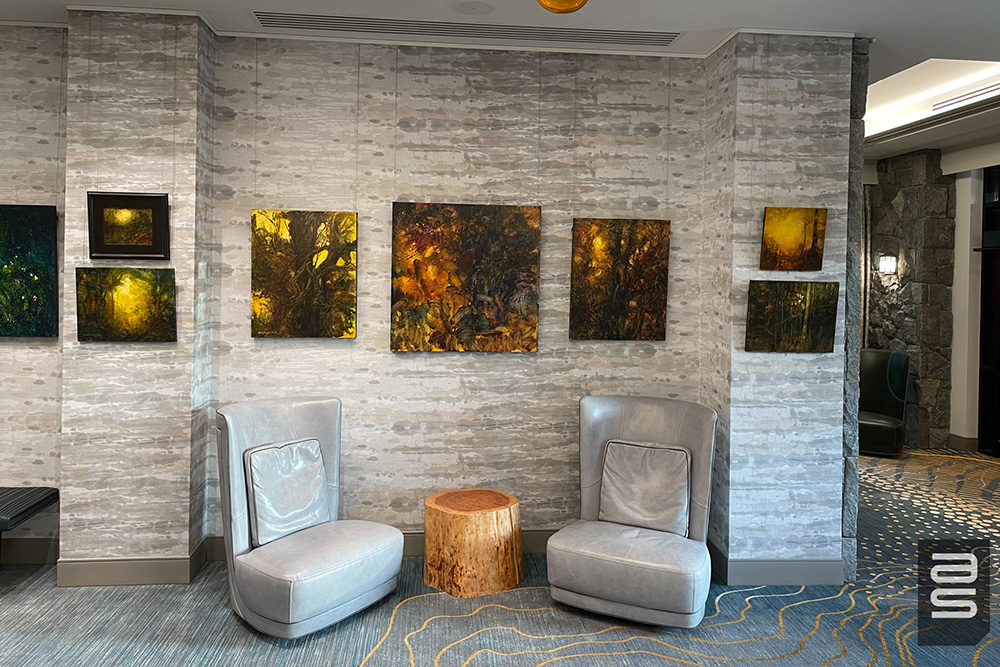
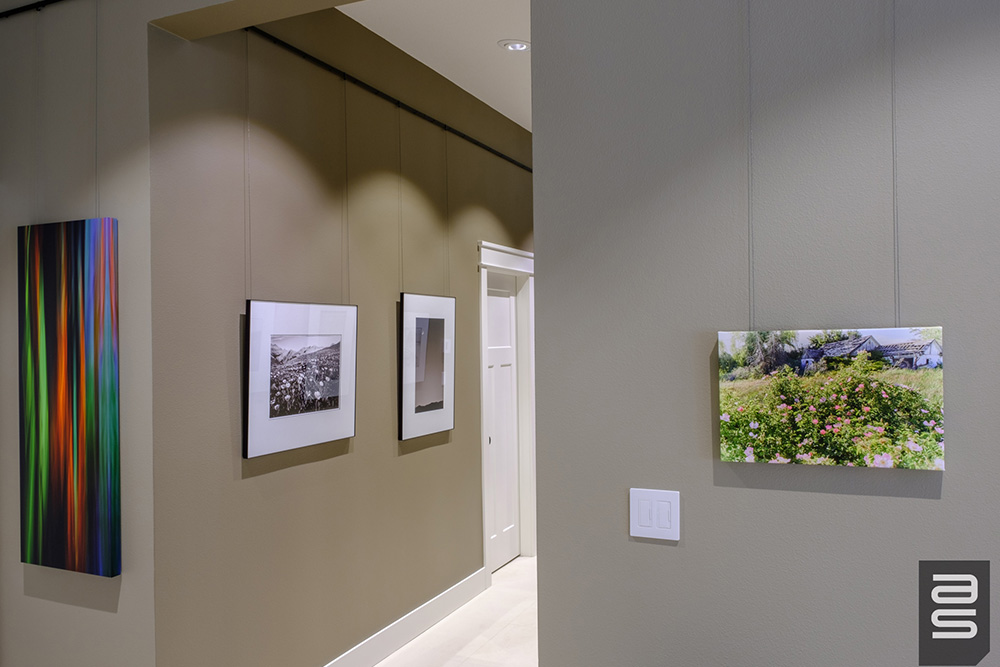
Art Gallery Wall using Contempo® Track and C-End Cables
- Contempo® Track is built to follow curved walls, including concave, convex, or serpentine surfaces, and it pairs with C-End Cables.
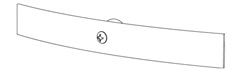
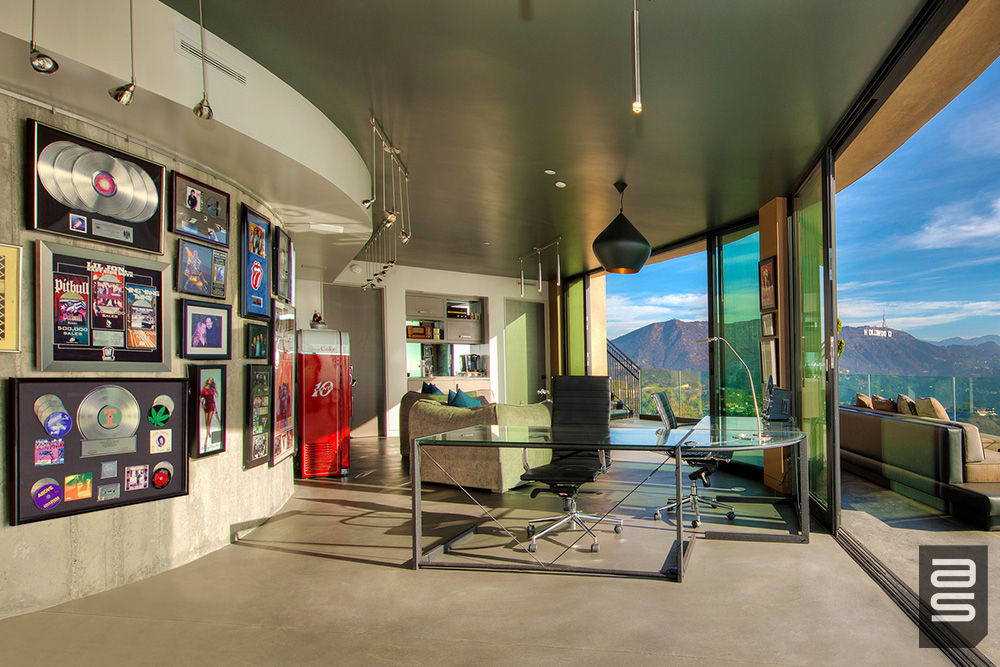
Art Gallery Wall using Display Reveal and P-End Cables or P-End Rods
- Display Reveal installs flush within the wall itself during new construction or renovation, so there is no visible track at all once the wall is finished.
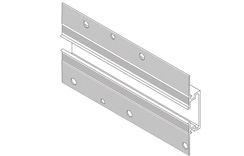
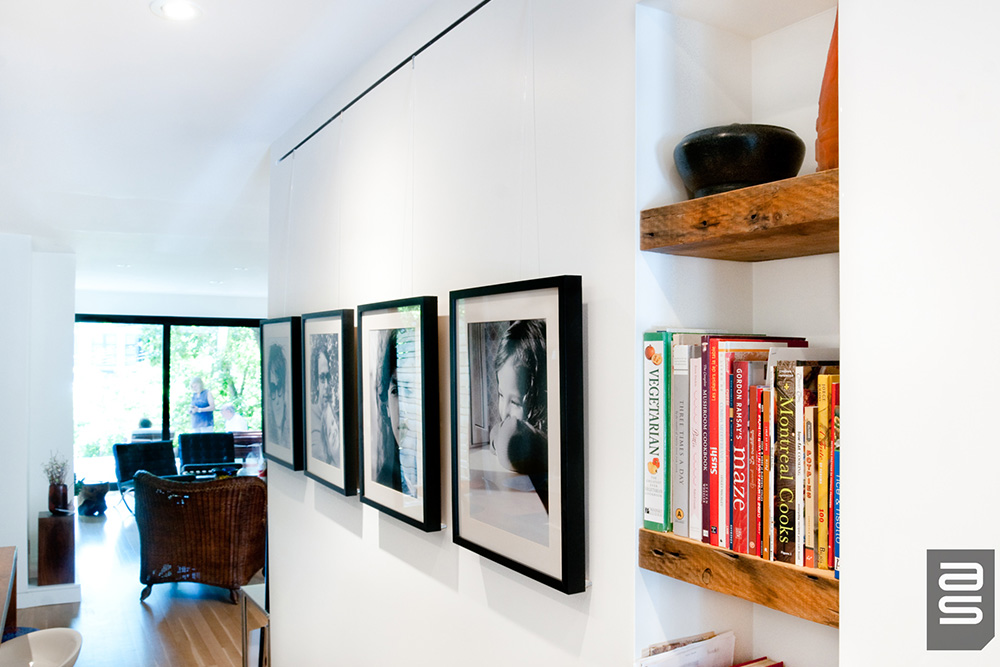
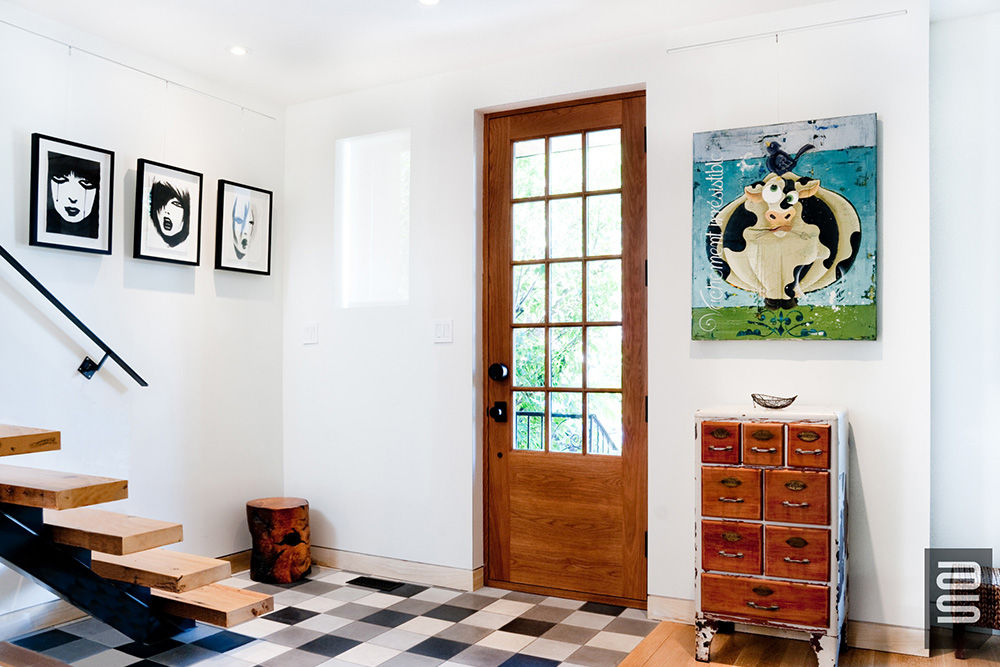
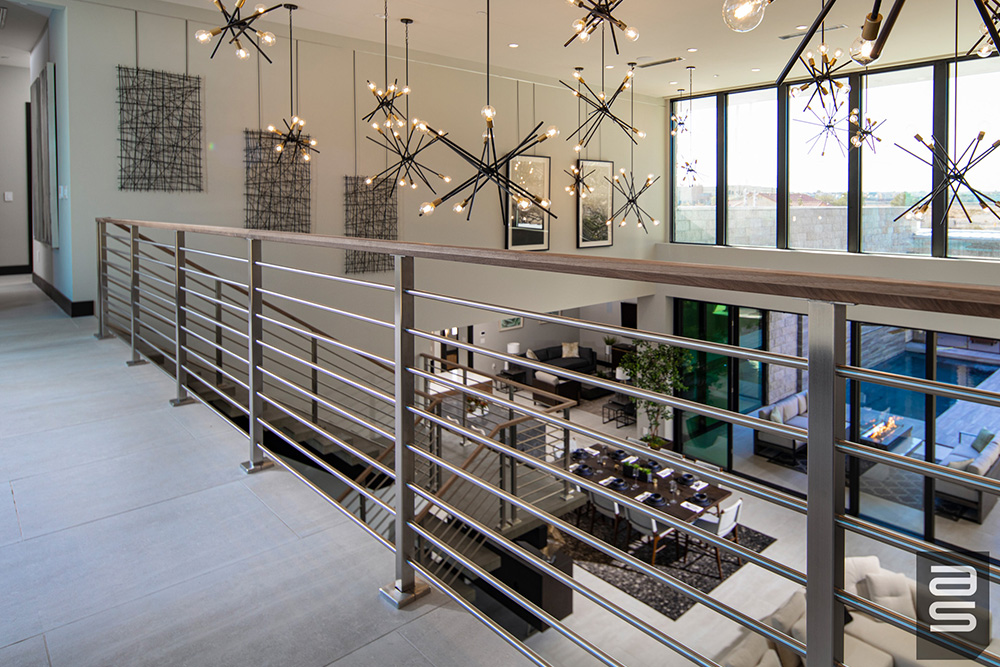
Cables and rods are not interchangeable in every situation either. Rods are rigid and easier to reposition without a ladder, which matters on a high-mounted track, while cables tend to disappear more completely behind the frame. Our breakdown of cables versus rods covers that decision in more detail if your project is still at that stage.
Wall type plays into the choice as well. Drywall, plaster, brick, and concrete each call for a different mounting approach for the track itself, even though every one of the systems above hangs pictures the same way once installed. If you are unsure which track and anchor combination fits your specific wall, that is a question worth confirming with our Customer Support team before you buy, rather than guessing based on a general rule of thumb.
When a Stud Finder or Wall Anchor Still Matters
None of this makes locating tools pointless. The track itself needs a secure mounting point, generally into wall studs or the correct heavy-duty anchor for your wall type, and getting that first installation right matters more than any single picture you will hang from it afterward. If the track is going into drywall without hitting a stud along its run, the anchor you choose is what determines how safely the whole system carries weight, so it is worth reviewing our guide to wall anchors for hanging systems before you drill.
And if you are mounting one very heavy piece directly to the wall, outside of an adjustable gallery layout, our guide to hanging a heavy picture walks through those stud and anchor decisions on their own.
For everything that goes up after that first track installation, though, the stud finder can stay in the drawer.
If a gallery wall is on your list this season, take a look at the track, cable, and hook combinations that would work for your space before you reach for a drill.
If you have questions or would like to learn more about how our products can be beneficial in your project, please contact our Customer Support at [email protected], or give us a call at 866 935 6949 (toll free). You can also reach us through our Contact Us form.
When you hang with AS Hanging Display Systems, you Hang with the Best®
Explore our Picture Hanging Systems built of tracks, cables and hooks.
We offer picture hanging hardware for your residential, commercial and institutional projects.